 Map
Map
 Filter
Dallas Warehouse Space for rent

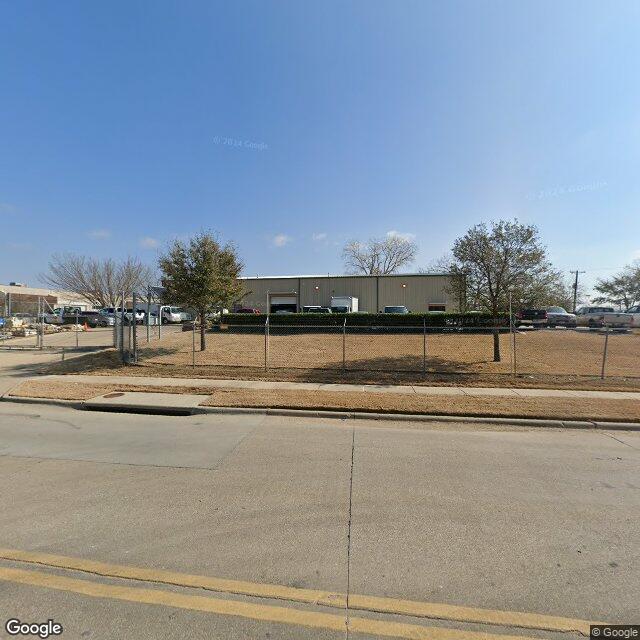
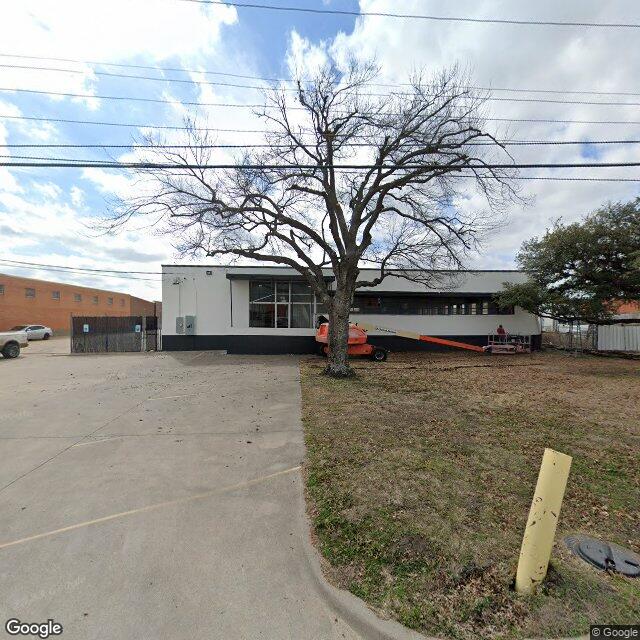
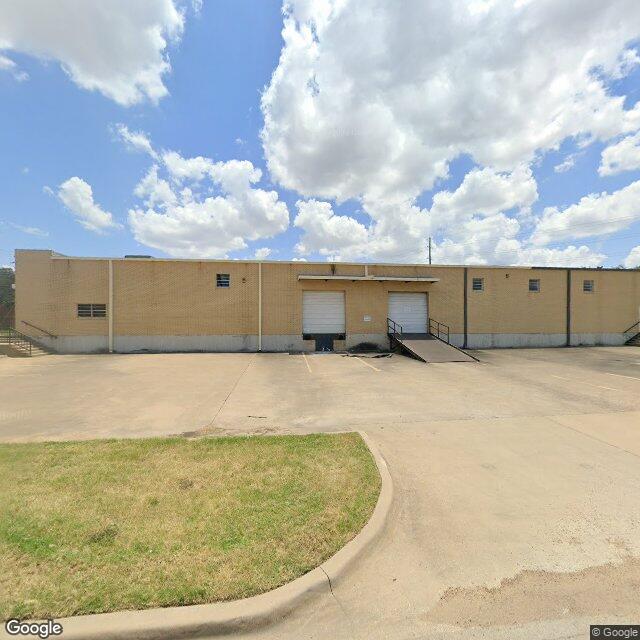
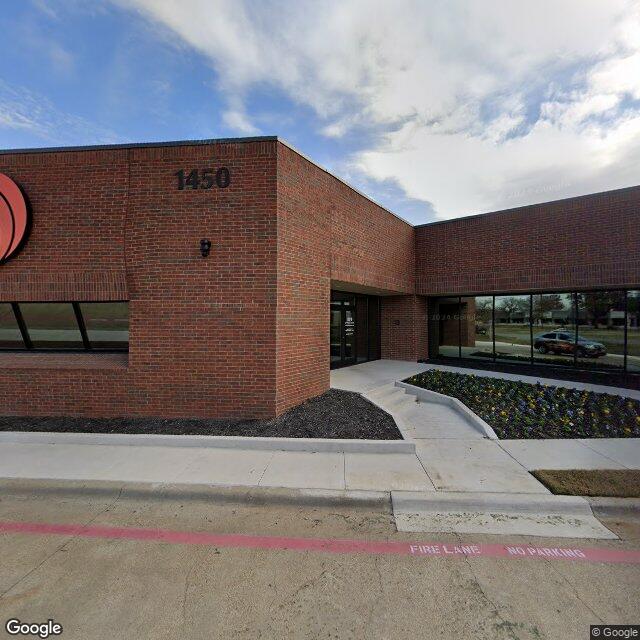


Dallas Market Info
Finding the right warehouse space in Dallas, TX, can feel overwhelming. The city offers a booming industrial real estate market with plenty of options for businesses.
Dallas is a leading hub for business growth and innovation. Its strong infrastructure and easy connections make it ideal for businesses of all sizes.
Overview of Dallas as a Business Hub
Dallas is a growing center for business in Texas. Its location offers easy access to major highways, airports, and railways. These connections make moving goods fast and efficient for businesses.
Companies benefit from the city’s strong industrial real estate market with low vacancy rates and a range of options like class B and class C properties.
Key industries such as logistics, manufacturing, and distribution thrive here due to advanced infrastructure. Economic incentives like tax abatements help reduce costs for new or expanding businesses.
The city’s population growth and competitive rental rates further support business owners looking for warehouses in Dallas, TX.
Infrastructure and Connectivity in Dallas
Dallas offers strong infrastructure for businesses. The city has major highways like I-35 and I-45 that connect to key markets. These roads make shipping fast and easy. Two large airports, DFW International Airport and Love Field, support global trade.
Rail systems also help move goods across the country.
The industrial real estate market benefits from this setup. Many distribution centers thrive in North Dallas, Mesquite, and Las Colinas due to their access to supply chains. Climate control options in warehouses help with storage needs like materials handling.
Businesses find it simple to run operations thanks to these connections.
Benefits and Advantages
Leasing warehouse space in Dallas gives businesses more choices and less risk. It also helps them save money compared to buying property.
Cost-Effectiveness of Leasing vs. Buying
Leasing warehouse space offers significant cost savings and flexibility for business owners compared to purchasing. Below is a detailed comparison:
| Aspect | Leasing | Buying |
|---|---|---|
| Initial Costs | Low upfront investment. Only requires a security deposit and lease fees. | High initial expenses. Includes down payment, closing costs, and property taxes. |
| Flexibility | Offers short-term or long-term leases. Adapts to business growth or downsizing. | Limits flexibility. Selling a property can take time and may incur costs. |
| Cost Predictability | Fixed monthly rent. Easier to budget operational expenses. | Costs can vary. Includes maintenance, repairs, and fluctuating property taxes. |
| Maintenance Responsibility | Often the landlord handles major repairs and external maintenance. | Full responsibility for all upkeep and repairs falls on the owner. |
| Tax Incentives | Leasing costs may qualify as deductible business expenses. | Ownership may offer tax benefits, but they come with associated risks. |
| Market Trends | Allows businesses to relocate easily if market conditions change. | Locking into a purchased property ties the business to the location. |
| Financial Risk | Minimizes financial risk. Avoids market fluctuations in property value. | High risk. Property values can decline, impacting resale potential. |
| Scalability | Adapts as business needs grow or shrink. | Buying may require selling or purchasing new property to scale. |
| Average Costs in Dallas | Competitive rents. Options cater to budgets of many business types. | Significant capital investment. Not ideal for many small businesses. |
Dallas makes leasing even more attractive with tax abatements and development incentives. These benefits ease financial burdens, ensuring businesses save while scaling operations.
Flexibility in Lease Terms
Lease terms in Dallas warehouses adapt to many business needs. Short-term leases or renewal options give tenants more control. Landlords offer flexible arrangements, making it easier for businesses to scale operations.
Customizable spaces support industries like logistics and manufacturing. Competitive rental rates in the industrial real estate market make renting affordable. These options help companies optimize their budgets while staying adaptable.
Advantages for Specific Industries in Dallas
Dallas offers great opportunities for different industries. Its location and resources make it perfect for business growth.
Support for Logistics and Distribution Centers
The city stands out for logistics and distribution. Strong infrastructure ties rail, air, and road networks. This helps companies move goods fast and lowers costs. The business-friendly market also offers economic benefits like tax abatements.
Companies in e-commerce thrive here due to warehouse availability. Rental rates remain competitive compared to other cities in Texas real estate markets. Modern inventory management systems can be added to class B industrial properties or flexible industrial spaces nearby Richardson or an industrial park area.
Ideal for Manufacturing and Tech Companies
Dallas stands out for manufacturing and tech companies. Its strong infrastructure lowers operational costs. Businesses enjoy easy access to industrial parks and commercial real estate near key highways.
Advanced environmental controls in class B and C industrial properties meet high industry standards.
Leasing warehouse space here offers flexibility in size and terms. The industrial real estate market also integrates smart technologies, boosting efficiency. Dallas supports businesses with tax incentives, grants, and specialized programs to encourage growth.
Competitive rental rates make this city a top choice for long-term success in Texas real estate markets.
Innovation and Technology
Modern Dallas warehouses include advanced features for flexible use. Many offer smart technologies to improve storage and operations.
Customizable Warehouse Features
Dallas warehouses for lease offer flexible layouts to match specific business needs. Businesses can choose custom designs to improve workflow or expand space size as they grow. Strategic locations in Dallas, TX make it easy to set up operations for logistics and distribution centers.
Advanced infrastructure supports changes like adding loading docks or office spaces inside the industrial property. Companies can adjust warehouse features without overspending due to economic incentives and tax breaks.
Smart technology tools help businesses adapt these spaces even further. Automated systems streamline inventory management and tracking processes within commercial properties. These upgrades make class B and class C industrial properties more efficient over time.
Flexible lease terms let businesses plan adjustments based on budget limits or changing demands in their industry markets like e-commerce, retail, or manufacturing sectors across Texas real estate hubs like Dallas’s thriving industrial park zones.
Integration of Smart Warehouse Technologies
Smart warehouse technologies improve efficiency in industrial space. Automated systems handle inventory faster, cutting human errors. Sensors and IoT devices track goods in real-time, ensuring smooth logistics.
Dallas warehouses benefit from these tools by supporting production and distribution needs. These innovations reduce costs while boosting flexibility for businesses leasing industrial property.
Modern tech makes operations simpler and more reliable across various industries in Texas' commercial real estate market.
Key Industries
Dallas is thriving with industries like e-commerce and technology. The city's growth attracts businesses needing warehouse space for diverse operations.
Focus on E-commerce and Retail
E-commerce and retail thrive in Texas. The city’s extensive infrastructure supports fast deliveries and smooth distribution operations. Businesses benefit from affordable warehouse space with competitive vacancy rates and rental prices.
Rising population numbers also fuel demand, making Dallas a prime area for this industry.
The growing median income adds to consumer spending power. Many e-commerce companies lease industrial properties here for flexibility without high upfront costs of buying. Class B and C industrial real estate options fit diverse needs, ensuring cost-effectiveness while scaling operations efficiently.
Growth in the Tech Sector
The tech sector is fueling demand for industrial space in Dallas, TX. Many tech companies are moving here due to the city’s strong infrastructure and central location. Affordable rental rates make warehouses an ideal choice for startups or expanding firms.
Dallas also offers tax breaks and grants to attract businesses. These incentives, along with rising population and income levels, encourage growth in industrial real estate. Smart technology features in warehouse space further appeal to this industry’s needs.
Demographics and Market Statistics in Dallas
Dallas has a large, skilled workforce ready for various industries. The city’s industrial real estate market shows strong growth year over year.
Workforce Availability
The industrial market in Dallas, TX attracts skilled workers from logistics, manufacturing, and distribution sectors. Companies leasing warehouses for rent here benefit from a growing labor pool.
Projected population growth in 2024 will boost workforce numbers further.
Economic incentives like tax abatements and grants help businesses find and retain employees. These programs make it easier for companies to thrive in the competitive industrial real estate market.
Industrial Market Trends
Vacancy rates in Dallas industrial properties stay low. More companies want warehouse space as demand grows for logistics and distribution. Rental rates remain competitive, offering value compared to other cities.
Average rents for warehouses align with business goals, keeping costs manageable.
Key industries like tech, retail, and e-commerce drive the market forward. Smart technologies improve operations in industrial spaces across Dallas, TX. These updates make leasing appealing for growing businesses needing flexible solutions in an expanding market.
Incentives to Businesses New and Existing
Dallas offers great perks for new and growing businesses. These include tax breaks and helpful programs to cut costs and boost growth.
Tax Incentives and Grants
Tax incentives and grants in Dallas, TX, attract business owners. Companies enjoy many savings and benefits through these programs.
- Tax Abatements
Businesses may get reduced property taxes for up to 10 years. This helps save money to reinvest in growth or operations.
- Business Grants
Dallas offers cash grants for companies creating jobs. These grants are based on job numbers, wages, or business size.
- Enterprise Zones
Companies relocating to underdeveloped areas may qualify for state tax refunds. Refunds can reach up to $7,500 per employee hired locally.
- Infrastructure Support
Funds help businesses build needed roads or utilities near their industrial space or warehouse space. This lowers setup costs for new operations.
- Industry-Specific Perks
Distribution centers and logistics hubs receive special benefits, such as faster permit approvals or reduced fees on industrial property expansions.
- Workforce Training Programs
Texas Workforce Commission provides funds to train employees in specialized skills. Manufacturers and tech firms benefit greatly by upgrading staff abilities.
- No Corporate Income Tax
Texas has zero corporate income tax rates, lowering overall operational costs for all commercial properties and office spaces alike.
Support Programs for Small Businesses
Support programs can help businesses thrive in Dallas, TX. Many offer financial assistance and tools to grow quickly.
- Tax Abatements
Some companies may qualify for reduced taxes. The city encourages growth by lowering costs for new or expanding small businesses.
- Business Grants
Dallas offers grants to help cover start-up or operational expenses. These programs boost industries like tech and manufacturing.
- Innovation-Friendly Policies
The city's focus on technology allows businesses to access smart tools for growth easily. Warehouses with modern features make operations smooth for industries like e-commerce.
- Access to Industrial Properties
Owners can rent class B or C industrial space at competitive rates. Affordable options suit businesses needing small or large warehouses.
- Workforce Training Programs
Programs prepare workers for industrial real estate market trends and demands. Companies save time hiring skilled local talent ready to join quickly.
- Flexible Lease Options
Small firms benefit from diverse lease terms for warehouse space, offering lower risks compared to buying industrial property outright.
- Support for E-Commerce Growth
With e-commerce rising, rental rates stay fair and predictable in prime locations within Texas real estate markets.
- Resources Through Platforms Like WarehouseSpaces.com
Businesses streamline their search for commercial properties using expert guidance on finding the right space size or location in an industrial park.
WarehouseSpaces.com Can Help
WarehouseSpaces.com makes finding the right Dallas warehouse simple. Get expert help to make smart choices fast.
Streamlining the Search and Lease Process
Finding the right warehouse space for rent in Dallas, TX, can save your business time and money. A structured approach makes leasing industrial real estate simple and stress-free.
- Understand Your Needs
Decide on the warehouse size and type you need. Think about storage requirements, space size, or if you need flex space with office facilities.
- Set a Budget
Know your budget before starting your search. Consider rental rates in Dallas warehouses, utilities, and maintenance costs to avoid surprises.
- Use a Real Estate Platform
Online tools like WarehouseSpaces.com make searching easier. They provide listings for industrial properties across Texas real estate markets.
- Consider Location
Choose areas near major highways or industrial parks for fast delivery routes. Dallas’s strong infrastructure ensures easy connectivity to the rest of Texas.
- Check Lease Options
Look for flexible lease terms that work best for your business goals. Leasing gives options without long-term financial commitments like owning.
- Evaluate Features
Ensure spaces offer needed amenities like energy-efficient lighting or smart technologies to boost efficiency.
- Inspect Properties in Person
Always visit commercial properties before signing leases to check layout or any unexpected issues like access difficulties.
- Review Local Market Trends
Study Dallas’s industrial real estate market trends to find good seasonal offers and competitive pricing within Class B or Class C properties.
- Understand Incentives Available
Check tax abatements or grants offered by Dallas city programs supporting new businesses moving their operations locally.
- Request Expert Help
Seek insights from professionals who understand local market conditions well—this step reduces guesswork during searches.
Leasing an ideal property becomes faster with these steps!
Providing Expert Insights on Local Market Conditions
Experts at WarehouseSpaces.com know the Dallas industrial real estate market. They understand rental rates, popular industrial parks, and trends in space size needs. Their insights help business owners find cost-effective options like class B or class C industrial properties across Dallas, TX.
Dallas is growing fast with a thriving workforce and booming industries. This rapid growth means changes in commercial real estate prices and opportunities. WarehouseSpaces.com stays updated on these shifts to guide businesses in choosing warehouse spaces that fit their goals.
How to Contact WarehouseSpaces.com for More Information
Reach out to WarehouseSpaces.com to find Dallas warehouses for lease. Visit their website to explore industrial real estate options customized for your business needs.
Connect directly with experts through the site’s contact form or call their provided number. Gain insights into rental rates, office space availability, and local economic incentives in Dallas, TX.
Dallas is a great place to rent a warehouse. The city offers top business perks like low costs, strong infrastructure, and tax breaks. With its booming industries and growing workforce, it's ideal for many businesses.
Free Property Report
- See all lease/purchase options in 24 hours
- Get 1-2+ months of free rent on most leases
- We can negotiate 15-20% off list price
- Our tenant rep service is 100% free to clients
We can answer questions, send you a short list of options and schedule tours.
By clicking Submit, you agree to our terms of user and privacy policy. Your message will be sent to local broker and not made public.
You will receive:
- Free Availability Report based on your search criteria
- Details on Landlord incentives and special offers
- No obligation advice from local broker specialist
Finding the right warehouse space in Dallas, TX, can feel overwhelming. The city offers a booming industrial real estate market with plenty of options for businesses.
Dallas is a leading hub for business growth and innovation. Its strong infrastructure and easy connections make it ideal for businesses of all sizes.
Overview of Dallas as a Business Hub
Dallas is a growing center for business in Texas. Its location offers easy access to major highways, airports, and railways. These connections make moving goods fast and efficient for businesses.
Companies benefit from the city’s strong industrial real estate market with low vacancy rates and a range of options like class B and class C properties.
Key industries such as logistics, manufacturing, and distribution thrive here due to advanced infrastructure. Economic incentives like tax abatements help reduce costs for new or expanding businesses.
The city’s population growth and competitive rental rates further support business owners looking for warehouses in Dallas, TX.
Infrastructure and Connectivity in Dallas
Dallas offers strong infrastructure for businesses. The city has major highways like I-35 and I-45 that connect to key markets. These roads make shipping fast and easy. Two large airports, DFW International Airport and Love Field, support global trade.
Rail systems also help move goods across the country.
The industrial real estate market benefits from this setup. Many distribution centers thrive in North Dallas, Mesquite, and Las Colinas due to their access to supply chains. Climate control options in warehouses help with storage needs like materials handling.
Businesses find it simple to run operations thanks to these connections.
Benefits and Advantages
Leasing warehouse space in Dallas gives businesses more choices and less risk. It also helps them save money compared to buying property.
Cost-Effectiveness of Leasing vs. Buying
Leasing warehouse space offers significant cost savings and flexibility for business owners compared to purchasing. Below is a detailed comparison:
| Aspect | Leasing | Buying |
|---|---|---|
| Initial Costs | Low upfront investment. Only requires a security deposit and lease fees. | High initial expenses. Includes down payment, closing costs, and property taxes. |
| Flexibility | Offers short-term or long-term leases. Adapts to business growth or downsizing. | Limits flexibility. Selling a property can take time and may incur costs. |
| Cost Predictability | Fixed monthly rent. Easier to budget operational expenses. | Costs can vary. Includes maintenance, repairs, and fluctuating property taxes. |
| Maintenance Responsibility | Often the landlord handles major repairs and external maintenance. | Full responsibility for all upkeep and repairs falls on the owner. |
| Tax Incentives | Leasing costs may qualify as deductible business expenses. | Ownership may offer tax benefits, but they come with associated risks. |
| Market Trends | Allows businesses to relocate easily if market conditions change. | Locking into a purchased property ties the business to the location. |
| Financial Risk | Minimizes financial risk. Avoids market fluctuations in property value. | High risk. Property values can decline, impacting resale potential. |
| Scalability | Adapts as business needs grow or shrink. | Buying may require selling or purchasing new property to scale. |
| Average Costs in Dallas | Competitive rents. Options cater to budgets of many business types. | Significant capital investment. Not ideal for many small businesses. |
Dallas makes leasing even more attractive with tax abatements and development incentives. These benefits ease financial burdens, ensuring businesses save while scaling operations.
Flexibility in Lease Terms
Lease terms in Dallas warehouses adapt to many business needs. Short-term leases or renewal options give tenants more control. Landlords offer flexible arrangements, making it easier for businesses to scale operations.
Customizable spaces support industries like logistics and manufacturing. Competitive rental rates in the industrial real estate market make renting affordable. These options help companies optimize their budgets while staying adaptable.
Advantages for Specific Industries in Dallas
Dallas offers great opportunities for different industries. Its location and resources make it perfect for business growth.
Support for Logistics and Distribution Centers
The city stands out for logistics and distribution. Strong infrastructure ties rail, air, and road networks. This helps companies move goods fast and lowers costs. The business-friendly market also offers economic benefits like tax abatements.
Companies in e-commerce thrive here due to warehouse availability. Rental rates remain competitive compared to other cities in Texas real estate markets. Modern inventory management systems can be added to class B industrial properties or flexible industrial spaces nearby Richardson or an industrial park area.
Ideal for Manufacturing and Tech Companies
Dallas stands out for manufacturing and tech companies. Its strong infrastructure lowers operational costs. Businesses enjoy easy access to industrial parks and commercial real estate near key highways.
Advanced environmental controls in class B and C industrial properties meet high industry standards.
Leasing warehouse space here offers flexibility in size and terms. The industrial real estate market also integrates smart technologies, boosting efficiency. Dallas supports businesses with tax incentives, grants, and specialized programs to encourage growth.
Competitive rental rates make this city a top choice for long-term success in Texas real estate markets.
Innovation and Technology
Modern Dallas warehouses include advanced features for flexible use. Many offer smart technologies to improve storage and operations.
Customizable Warehouse Features
Dallas warehouses for lease offer flexible layouts to match specific business needs. Businesses can choose custom designs to improve workflow or expand space size as they grow. Strategic locations in Dallas, TX make it easy to set up operations for logistics and distribution centers.
Advanced infrastructure supports changes like adding loading docks or office spaces inside the industrial property. Companies can adjust warehouse features without overspending due to economic incentives and tax breaks.
Smart technology tools help businesses adapt these spaces even further. Automated systems streamline inventory management and tracking processes within commercial properties. These upgrades make class B and class C industrial properties more efficient over time.
Flexible lease terms let businesses plan adjustments based on budget limits or changing demands in their industry markets like e-commerce, retail, or manufacturing sectors across Texas real estate hubs like Dallas’s thriving industrial park zones.
Integration of Smart Warehouse Technologies
Smart warehouse technologies improve efficiency in industrial space. Automated systems handle inventory faster, cutting human errors. Sensors and IoT devices track goods in real-time, ensuring smooth logistics.
Dallas warehouses benefit from these tools by supporting production and distribution needs. These innovations reduce costs while boosting flexibility for businesses leasing industrial property.
Modern tech makes operations simpler and more reliable across various industries in Texas' commercial real estate market.
Key Industries
Dallas is thriving with industries like e-commerce and technology. The city's growth attracts businesses needing warehouse space for diverse operations.
Focus on E-commerce and Retail
E-commerce and retail thrive in Texas. The city’s extensive infrastructure supports fast deliveries and smooth distribution operations. Businesses benefit from affordable warehouse space with competitive vacancy rates and rental prices.
Rising population numbers also fuel demand, making Dallas a prime area for this industry.
The growing median income adds to consumer spending power. Many e-commerce companies lease industrial properties here for flexibility without high upfront costs of buying. Class B and C industrial real estate options fit diverse needs, ensuring cost-effectiveness while scaling operations efficiently.
Growth in the Tech Sector
The tech sector is fueling demand for industrial space in Dallas, TX. Many tech companies are moving here due to the city’s strong infrastructure and central location. Affordable rental rates make warehouses an ideal choice for startups or expanding firms.
Dallas also offers tax breaks and grants to attract businesses. These incentives, along with rising population and income levels, encourage growth in industrial real estate. Smart technology features in warehouse space further appeal to this industry’s needs.
Demographics and Market Statistics in Dallas
Dallas has a large, skilled workforce ready for various industries. The city’s industrial real estate market shows strong growth year over year.
Workforce Availability
The industrial market in Dallas, TX attracts skilled workers from logistics, manufacturing, and distribution sectors. Companies leasing warehouses for rent here benefit from a growing labor pool.
Projected population growth in 2024 will boost workforce numbers further.
Economic incentives like tax abatements and grants help businesses find and retain employees. These programs make it easier for companies to thrive in the competitive industrial real estate market.
Industrial Market Trends
Vacancy rates in Dallas industrial properties stay low. More companies want warehouse space as demand grows for logistics and distribution. Rental rates remain competitive, offering value compared to other cities.
Average rents for warehouses align with business goals, keeping costs manageable.
Key industries like tech, retail, and e-commerce drive the market forward. Smart technologies improve operations in industrial spaces across Dallas, TX. These updates make leasing appealing for growing businesses needing flexible solutions in an expanding market.
Incentives to Businesses New and Existing
Dallas offers great perks for new and growing businesses. These include tax breaks and helpful programs to cut costs and boost growth.
Tax Incentives and Grants
Tax incentives and grants in Dallas, TX, attract business owners. Companies enjoy many savings and benefits through these programs.
- Tax Abatements
Businesses may get reduced property taxes for up to 10 years. This helps save money to reinvest in growth or operations.
- Business Grants
Dallas offers cash grants for companies creating jobs. These grants are based on job numbers, wages, or business size.
- Enterprise Zones
Companies relocating to underdeveloped areas may qualify for state tax refunds. Refunds can reach up to $7,500 per employee hired locally.
- Infrastructure Support
Funds help businesses build needed roads or utilities near their industrial space or warehouse space. This lowers setup costs for new operations.
- Industry-Specific Perks
Distribution centers and logistics hubs receive special benefits, such as faster permit approvals or reduced fees on industrial property expansions.
- Workforce Training Programs
Texas Workforce Commission provides funds to train employees in specialized skills. Manufacturers and tech firms benefit greatly by upgrading staff abilities.
- No Corporate Income Tax
Texas has zero corporate income tax rates, lowering overall operational costs for all commercial properties and office spaces alike.
Support Programs for Small Businesses
Support programs can help businesses thrive in Dallas, TX. Many offer financial assistance and tools to grow quickly.
- Tax Abatements
Some companies may qualify for reduced taxes. The city encourages growth by lowering costs for new or expanding small businesses.
- Business Grants
Dallas offers grants to help cover start-up or operational expenses. These programs boost industries like tech and manufacturing.
- Innovation-Friendly Policies
The city's focus on technology allows businesses to access smart tools for growth easily. Warehouses with modern features make operations smooth for industries like e-commerce.
- Access to Industrial Properties
Owners can rent class B or C industrial space at competitive rates. Affordable options suit businesses needing small or large warehouses.
- Workforce Training Programs
Programs prepare workers for industrial real estate market trends and demands. Companies save time hiring skilled local talent ready to join quickly.
- Flexible Lease Options
Small firms benefit from diverse lease terms for warehouse space, offering lower risks compared to buying industrial property outright.
- Support for E-Commerce Growth
With e-commerce rising, rental rates stay fair and predictable in prime locations within Texas real estate markets.
- Resources Through Platforms Like WarehouseSpaces.com
Businesses streamline their search for commercial properties using expert guidance on finding the right space size or location in an industrial park.
WarehouseSpaces.com Can Help
WarehouseSpaces.com makes finding the right Dallas warehouse simple. Get expert help to make smart choices fast.
Streamlining the Search and Lease Process
Finding the right warehouse space for rent in Dallas, TX, can save your business time and money. A structured approach makes leasing industrial real estate simple and stress-free.
- Understand Your Needs
Decide on the warehouse size and type you need. Think about storage requirements, space size, or if you need flex space with office facilities.
- Set a Budget
Know your budget before starting your search. Consider rental rates in Dallas warehouses, utilities, and maintenance costs to avoid surprises.
- Use a Real Estate Platform
Online tools like WarehouseSpaces.com make searching easier. They provide listings for industrial properties across Texas real estate markets.
- Consider Location
Choose areas near major highways or industrial parks for fast delivery routes. Dallas’s strong infrastructure ensures easy connectivity to the rest of Texas.
- Check Lease Options
Look for flexible lease terms that work best for your business goals. Leasing gives options without long-term financial commitments like owning.
- Evaluate Features
Ensure spaces offer needed amenities like energy-efficient lighting or smart technologies to boost efficiency.
- Inspect Properties in Person
Always visit commercial properties before signing leases to check layout or any unexpected issues like access difficulties.
- Review Local Market Trends
Study Dallas’s industrial real estate market trends to find good seasonal offers and competitive pricing within Class B or Class C properties.
- Understand Incentives Available
Check tax abatements or grants offered by Dallas city programs supporting new businesses moving their operations locally.
- Request Expert Help
Seek insights from professionals who understand local market conditions well—this step reduces guesswork during searches.
Leasing an ideal property becomes faster with these steps!
Providing Expert Insights on Local Market Conditions
Experts at WarehouseSpaces.com know the Dallas industrial real estate market. They understand rental rates, popular industrial parks, and trends in space size needs. Their insights help business owners find cost-effective options like class B or class C industrial properties across Dallas, TX.
Dallas is growing fast with a thriving workforce and booming industries. This rapid growth means changes in commercial real estate prices and opportunities. WarehouseSpaces.com stays updated on these shifts to guide businesses in choosing warehouse spaces that fit their goals.
How to Contact WarehouseSpaces.com for More Information
Reach out to WarehouseSpaces.com to find Dallas warehouses for lease. Visit their website to explore industrial real estate options customized for your business needs.
Connect directly with experts through the site’s contact form or call their provided number. Gain insights into rental rates, office space availability, and local economic incentives in Dallas, TX.
Dallas is a great place to rent a warehouse. The city offers top business perks like low costs, strong infrastructure, and tax breaks. With its booming industries and growing workforce, it's ideal for many businesses.
We assist Companies and Business in indesntifying Warehouese Space

Dallas for Rent Stats
Total Available Listings for Rent: 221Total Square Footage: 13,245,997 SF
Average Asking Rate: $1.04 sf/mo
Average Size Available: 59,937 sf
Price Range: $1.00 - $95.00 sf/mo


Struggling to Find the Right Warehouse?
Get a Free Property Availability Report
Our local experts will deliver to you immediately a no-obligation, comprehensive report with exclusive, off-market listings and below-market priced options.
Confidentiality: Your privacy is important to us. Your information will not be shared or sold to third parties.