 Map
Map
 Filter
Los Angeles Warehouse Space for rent
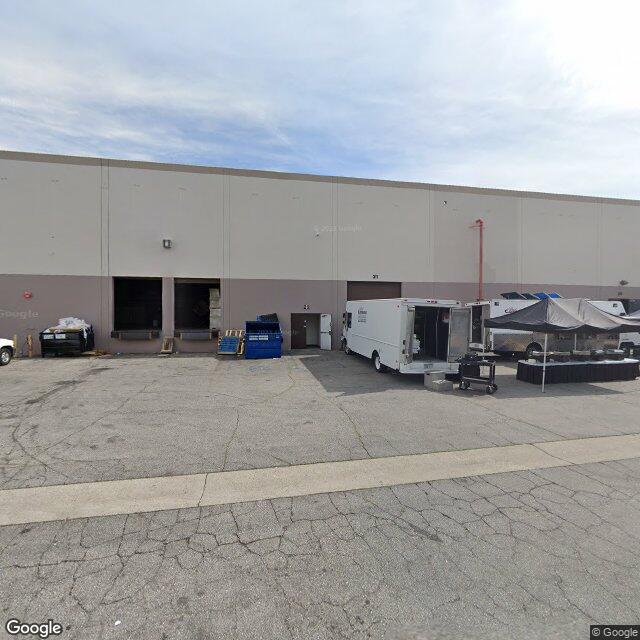
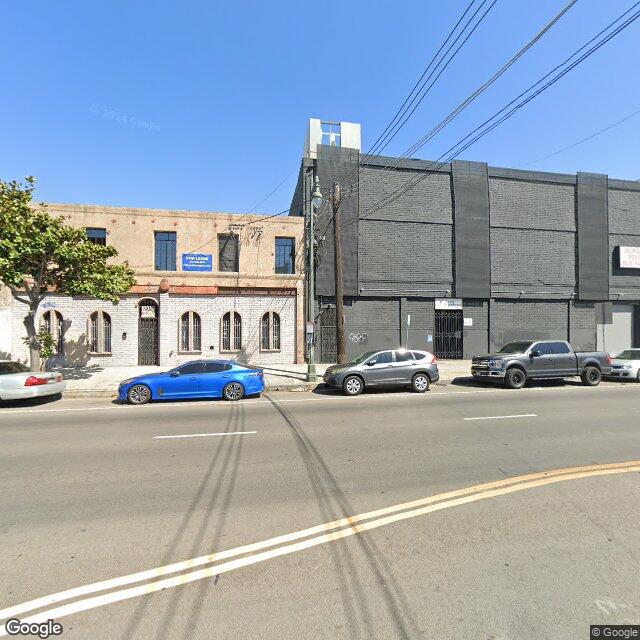


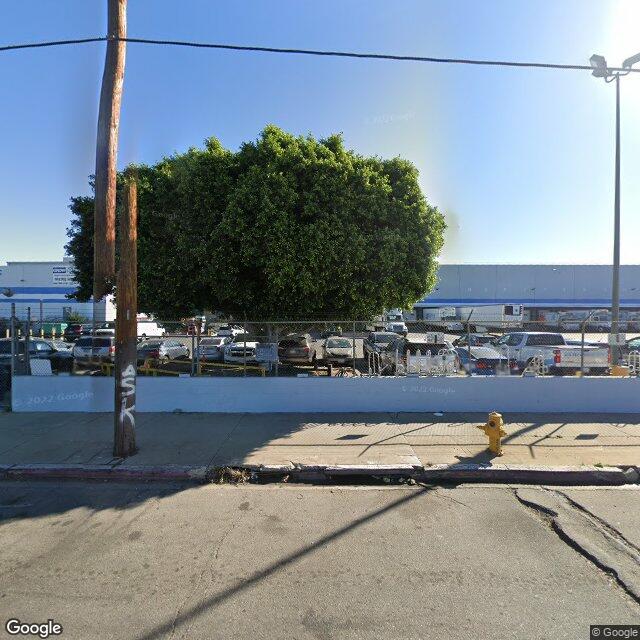


Los Angeles Market Info
Finding the perfect warehouse in Los Angeles can feel tricky. The city offers a strong economy and great access to ports, highways, and businesses. This will guide you through the benefits of renting warehouses in this busy market.
Los Angeles offers a prime location for businesses. The city connects major transportation hubs like ports, freeways, and airports. This makes it ideal for industries needing efficient supply chains and distribution centers.
Downtown Los Angeles stands as a hub for industrial properties, including storage facilities and manufacturing buildings.
The city’s economy supports diverse fields such as entertainment, manufacturing, and technology. A growing population fuels demand for jobs in these sectors. Businesses renting warehouses can benefit from strategic locations near areas like San Fernando Road or City of Industry, CA.
With competitive lease rates available in key industrial submarkets, expanding companies find room to grow here easily.
Benefits and Advantages of Renting Warehouses in Los Angeles
Los Angeles offers prime industrial spaces with excellent amenities and diverse property types. Businesses can find warehouses suited for storage, manufacturing, or distribution to boost operations efficiently.
Accessibility to major ports and transportation hubs
The city connects easily to major ports, including the Port of Los Angeles and Long Beach. These two handle close to 40% of all U.S. imports annually. Key highways like I-5, I-10, and I-405 link businesses directly to transit routes.
Downtown Los Angeles offers unique access for trucks needing fast delivery.
Industrial properties near LAX provide air freight options. The city's infrastructure supports logistics and distribution centers efficiently. Nearby rail services improve shipping speeds further inland or across states.
Proximity strengthens lease rates for commercial real estate in industrial submarkets around Van Nuys, Wilmington, and South Bay neighborhoods.
Strong local economy supporting various industries
Los Angeles boasts a strong economy driven by key industries like entertainment, manufacturing, and technology. This growth fuels high demand for industrial space across the region.
Its diverse business landscape supports steady job creation and strengthens supply chains.
Thriving sectors like aerospace, fashion, and media production keep storage facilities in constant need. Population growth projected into 2024 adds to this momentum. Many businesses benefit from tax incentives and development programs offered in Los Angeles, CA—making it an ideal hub for operations needing warehouse spaces for rent or lease rates that match their goals.
High demand for storage and distribution facilities
Growing industries and a booming economy create strong demand for storage facilities. Businesses rely on Los Angeles warehouses to store goods and ship them fast.
Major transportation hubs, like ports in San Pedro and Long Beach, make distribution easy. This high demand drives rental interest across industrial submarkets such as Boyle Heights or Canoga Park, CA.
Companies benefit from strategic locations close to technology, manufacturing, and media production centers in the city of industry.
Advantages for Specific Industries in Los Angeles
Los Angeles offers unique perks for industries like entertainment, fashion, and aerospace thanks to its strong economy and prime location—explore how your business can thrive here.
Entertainment and media production
Entertainment companies need flexible spaces for their operations. Warehouses in Los Angeles, CA, offer ideal solutions for media production and storage. Many facilities include high ceilings, loading docks, and climate control.
These features help store props, equipment, and sets safely.
The city supports the entertainment industry with economic development programs. Companies can find incentives like tax rebates to lower costs. Spaces near downtown Los Angeles or areas like Pacoima are perfect for quick access to filming locations.
These industrial properties also improve logistics for distributing finished works efficiently through nearby transportation hubs.
Fashion and apparel
Los Angeles supports the fashion and apparel industry with strong infrastructure. The city’s location makes distribution easy, thanks to access to major ports like Long Beach and Los Angeles Harbor.
Industrial properties with high ceilings and loading docks help businesses handle large inventories smoothly.
Tax abatements and grants in Los Angeles attract new fashion companies. The demand for storage facilities is high due to the growing population, creating more opportunities for distribution centers.
A thriving local economy ensures steady growth for this sector in downtown Los Angeles and nearby areas like Boyle Heights or Van Nuys, CA.
Aerospace and technology
The aerospace and technology industries thrive in Los Angeles. The city offers a strong industrial space market with low vacancy rates, making it perfect for high-tech companies needing warehouses.
Strategic access to major ports supports logistics and materials handling for these industries.
Businesses benefit from tax incentives and economic programs aimed at growth. LA’s growing population drives demand for advanced technologies, boosting innovation. Companies can find flex space or Class A industrial properties ideal for manufacturing facilities or storage needs like inventory management systems.
Innovation and Technology in Los Angeles Warehousing
Warehouses in Los Angeles use smart systems to boost efficiency. Sustainable designs also help save energy and cut costs.
Smart warehouse technologies
Smart technology changes how businesses use industrial properties. Tools like yardi systems and environmental controls help track inventory faster. Automated sorting systems save time and cut errors in distribution centers.
High ceilings allow robots to stack items higher, using warehouse space better. Flex industrial space benefits from these upgrades, offering faster operations for varied needs. Businesses can manage loading docks efficiently with real-time updates, boosting productivity in storage facilities around Los Angeles, CA.
Green and sustainable building practices
Warehouses with green designs save energy and costs. Features like solar panels, LED lights, and better insulation cut utility bills. Using recycled materials in construction supports eco-friendly goals.
Sustainable practices also include water-saving systems and natural lighting. These upgrades attract businesses that value eco-responsibility. In Los Angeles, CA, such spaces align with green incentives and tax breaks.
Key Industries in Los Angeles
Los Angeles thrives with diverse industries powering its economy. From production to innovation, the city supports businesses across various sectors.
Entertainment
Warehouse spaces in Los Angeles are ideal for the entertainment industry. Film and TV production teams use industrial properties for set storage, costume housing, or equipment staging.
The city’s location near major ports supports quick delivery of supplies to studios and filming sites.
Tax incentives help businesses in production save money on operational costs. Many warehouses come with high ceilings and loading docks—perfect for large-scale projects. Industrial submarkets like Boyle Heights or areas near Sunset Blvd cater to these needs well.
These facilities boost efficiency for media companies working under tight deadlines.
Manufacturing
Los Angeles leads in manufacturing. The city supports industries with a strong infrastructure and location benefits. Access to ports, airports, and highways makes it easy to move goods fast.
Manufacturing facilities thrive near downtown Los Angeles and industrial submarkets like South Gate or the City of Industry.
Economic incentives help reduce costs for businesses here. Tax breaks and development programs aim to support manufacturers moving or expanding in Los Angeles. Class A industrial properties with high ceilings and loading docks meet the needs of modern production lines.
Companies enjoy competitive lease rates while benefiting from a growing market demand for storage facilities tied to production spaces.
Technology
Smart warehouse technologies are changing industrial spaces. Businesses now use automated systems, like Yardi Systems, to track inventory and improve speed. These tools make loading docks more efficient and help save time during daily operations.
Green building practices also shape modern warehouses in Los Angeles, CA. Many storage facilities focus on sustainable designs to lower energy use. Companies renting class A industrial properties can benefit from these eco-friendly features while meeting environmental goals.
Demographics and Market Statistics in Los Angeles
Los Angeles has seen steady population growth, boosting demand for industrial spaces. Lease rates vary by property type and location, reflecting the city's diverse economy.
Population growth trends
The city’s population keeps growing, driving demand for warehouse space. As more people move in, businesses need extra storage facilities to meet increasing needs.
With a rising population and thriving industries like manufacturing and logistics, vacancy rates for industrial properties stay low. High demand impacts lease rates across areas like Boyle Heights, Chatsworth, CA, or Mid-City.
Industrial space market rates
Industrial space market rates in Los Angeles are shaped by many factors. Average rents for warehouses hover around $1.50 per square foot monthly. High demand, low vacancy rates, and busy ports like the Port of Los Angeles drive costs up.
Class A industrial properties often command higher lease rates due to prime locations and features like loading docks or high ceilings.
Economic incentives can also impact costs for businesses. Tax rebates or support programs may lower operational expenses for companies renting in the city of industry or downtown Los Angeles.
Population growth and a strong local economy further push demand for storage facilities, flex space, and manufacturing facilities across industrial submarkets like Boyle Heights or Redondo Beach.
Employment rates in key industries
Los Angeles has a booming job market. Entertainment, manufacturing, and technology sectors drive employment. Warehouses for lease support these industries by offering storage facilities close to production hubs.
The city’s strong economy creates steady demand for industrial properties. High ceilings and large square footage in Class A industrial properties appeal to growing businesses. Jobs tied to distribution centers also remain stable due to ports and transportation access in Los Angeles, CA.
Incentives to Businesses New and Established in Los Angeles
Los Angeles offers tax breaks and support programs to help businesses grow—explore these perks to boost your success.
Tax incentives and rebates
Tax breaks help logistics, manufacturing, and distribution companies save money. These incentives lower costs for businesses renting storage facilities or industrial properties in Los Angeles, CA.
Some programs offer tax abatements or business grants to encourage growth.
Key industries like aerospace and fashion also benefit from these offers. Green practices and new technology projects may qualify for extra perks. Ask about specific rebates through WarehouseSpaces.com to get the most out of your lease rates.
Economic development programs
Los Angeles offers tax incentives and business grants to help companies grow. These programs lower costs for both new and established businesses in the city. Industries like logistics, manufacturing, and distribution benefit most from these efforts.
Strong infrastructure supports operations for production and logistics companies.
The industrial space market features competitive vacancy rates with affordable lease rates across properties like class A, B, or C industrial properties. Businesses can also explore support for green practices to reduce energy use while saving money long-term.
Support for green and sustainable practices
Tax incentives and business grants help companies use green practices in Los Angeles. The city encourages logistics and manufacturing firms to adopt eco-friendly solutions. Sustainable warehouses, equipped with energy-saving technologies, lower costs over time.
Economic development programs offer support for these changes. Population growth and rising income levels drive demand for sustainable businesses. Businesses renting Class A industrial properties or flex space can benefit from these practices while boosting efficiency.
WarehouseSpaces.com Can Help
WarehouseSpaces.com simplifies finding the right warehouse for rent. They offer expert help to match businesses with spaces that fit their needs and budgets.
Tailored search and matching for warehouse needs
Business owners need the right warehouse space in Los Angeles, CA. Searches focus on logistics and manufacturing needs, using city infrastructure and distribution benefits. Economic incentives like tax rebates are factored into matching processes for cost-saving options.
Advanced technology makes finding spaces easier with real-time data from 2024 market trends. Competitive cost analysis ensures fair lease rates based on square footage and industrial submarkets such as Boyle Heights or Alameda.
Expert insights on market trends
Lease rates for industrial properties in Los Angeles remain competitive. Average rents have risen due to strong demand. Vacancy rates are low, signaling limited availability. Businesses seek industrial space near major hubs like downtown Los Angeles and city of industry.
Population growth in 2024 will push up the need for storage facilities and warehouse spaces for rent. Areas like Boyle Heights and Harbor City are gaining interest due to location benefits.
Tax incentives and grants add value for businesses leasing high-quality class A industrial properties or flex spaces.
Assistance with lease negotiations and paperwork
Expert help smooths tricky lease talks. WarehouseSpaces.com offers an inquiry form to aid with these details. Knowing local rents and vacancy rates makes a big difference during discussions.
Brokers can guide you through industrial property types, lease rates, or even square footage needs.
Familiarity with tax incentives strengthens your position when sealing deals for properties like Class A industrial spaces or storage facilities in Downtown Los Angeles. Industry trends and green-building benefits also add value to paperwork preparation.
Conclusion
Finding the right warehouse in Los Angeles can transform your business. The city offers prime locations and strong infrastructure for growth. From distribution to production, industries thrive here.
Explore options with WarehouseSpaces.com for a perfect match today!
Free Property Report
- See all lease/purchase options in 24 hours
- Get 1-2+ months of free rent on most leases
- We can negotiate 15-20% off list price
- Our tenant rep service is 100% free to clients
We can answer questions, send you a short list of options and schedule tours.
By clicking Submit, you agree to our terms of user and privacy policy. Your message will be sent to local broker and not made public.
You will receive:
- Free Availability Report based on your search criteria
- Details on Landlord incentives and special offers
- No obligation advice from local broker specialist
Finding the perfect warehouse in Los Angeles can feel tricky. The city offers a strong economy and great access to ports, highways, and businesses. This will guide you through the benefits of renting warehouses in this busy market.
Los Angeles offers a prime location for businesses. The city connects major transportation hubs like ports, freeways, and airports. This makes it ideal for industries needing efficient supply chains and distribution centers.
Downtown Los Angeles stands as a hub for industrial properties, including storage facilities and manufacturing buildings.
The city’s economy supports diverse fields such as entertainment, manufacturing, and technology. A growing population fuels demand for jobs in these sectors. Businesses renting warehouses can benefit from strategic locations near areas like San Fernando Road or City of Industry, CA.
With competitive lease rates available in key industrial submarkets, expanding companies find room to grow here easily.
Benefits and Advantages of Renting Warehouses in Los Angeles
Los Angeles offers prime industrial spaces with excellent amenities and diverse property types. Businesses can find warehouses suited for storage, manufacturing, or distribution to boost operations efficiently.
Accessibility to major ports and transportation hubs
The city connects easily to major ports, including the Port of Los Angeles and Long Beach. These two handle close to 40% of all U.S. imports annually. Key highways like I-5, I-10, and I-405 link businesses directly to transit routes.
Downtown Los Angeles offers unique access for trucks needing fast delivery.
Industrial properties near LAX provide air freight options. The city's infrastructure supports logistics and distribution centers efficiently. Nearby rail services improve shipping speeds further inland or across states.
Proximity strengthens lease rates for commercial real estate in industrial submarkets around Van Nuys, Wilmington, and South Bay neighborhoods.
Strong local economy supporting various industries
Los Angeles boasts a strong economy driven by key industries like entertainment, manufacturing, and technology. This growth fuels high demand for industrial space across the region.
Its diverse business landscape supports steady job creation and strengthens supply chains.
Thriving sectors like aerospace, fashion, and media production keep storage facilities in constant need. Population growth projected into 2024 adds to this momentum. Many businesses benefit from tax incentives and development programs offered in Los Angeles, CA—making it an ideal hub for operations needing warehouse spaces for rent or lease rates that match their goals.
High demand for storage and distribution facilities
Growing industries and a booming economy create strong demand for storage facilities. Businesses rely on Los Angeles warehouses to store goods and ship them fast.
Major transportation hubs, like ports in San Pedro and Long Beach, make distribution easy. This high demand drives rental interest across industrial submarkets such as Boyle Heights or Canoga Park, CA.
Companies benefit from strategic locations close to technology, manufacturing, and media production centers in the city of industry.
Advantages for Specific Industries in Los Angeles
Los Angeles offers unique perks for industries like entertainment, fashion, and aerospace thanks to its strong economy and prime location—explore how your business can thrive here.
Entertainment and media production
Entertainment companies need flexible spaces for their operations. Warehouses in Los Angeles, CA, offer ideal solutions for media production and storage. Many facilities include high ceilings, loading docks, and climate control.
These features help store props, equipment, and sets safely.
The city supports the entertainment industry with economic development programs. Companies can find incentives like tax rebates to lower costs. Spaces near downtown Los Angeles or areas like Pacoima are perfect for quick access to filming locations.
These industrial properties also improve logistics for distributing finished works efficiently through nearby transportation hubs.
Fashion and apparel
Los Angeles supports the fashion and apparel industry with strong infrastructure. The city’s location makes distribution easy, thanks to access to major ports like Long Beach and Los Angeles Harbor.
Industrial properties with high ceilings and loading docks help businesses handle large inventories smoothly.
Tax abatements and grants in Los Angeles attract new fashion companies. The demand for storage facilities is high due to the growing population, creating more opportunities for distribution centers.
A thriving local economy ensures steady growth for this sector in downtown Los Angeles and nearby areas like Boyle Heights or Van Nuys, CA.
Aerospace and technology
The aerospace and technology industries thrive in Los Angeles. The city offers a strong industrial space market with low vacancy rates, making it perfect for high-tech companies needing warehouses.
Strategic access to major ports supports logistics and materials handling for these industries.
Businesses benefit from tax incentives and economic programs aimed at growth. LA’s growing population drives demand for advanced technologies, boosting innovation. Companies can find flex space or Class A industrial properties ideal for manufacturing facilities or storage needs like inventory management systems.
Innovation and Technology in Los Angeles Warehousing
Warehouses in Los Angeles use smart systems to boost efficiency. Sustainable designs also help save energy and cut costs.
Smart warehouse technologies
Smart technology changes how businesses use industrial properties. Tools like yardi systems and environmental controls help track inventory faster. Automated sorting systems save time and cut errors in distribution centers.
High ceilings allow robots to stack items higher, using warehouse space better. Flex industrial space benefits from these upgrades, offering faster operations for varied needs. Businesses can manage loading docks efficiently with real-time updates, boosting productivity in storage facilities around Los Angeles, CA.
Green and sustainable building practices
Warehouses with green designs save energy and costs. Features like solar panels, LED lights, and better insulation cut utility bills. Using recycled materials in construction supports eco-friendly goals.
Sustainable practices also include water-saving systems and natural lighting. These upgrades attract businesses that value eco-responsibility. In Los Angeles, CA, such spaces align with green incentives and tax breaks.
Key Industries in Los Angeles
Los Angeles thrives with diverse industries powering its economy. From production to innovation, the city supports businesses across various sectors.
Entertainment
Warehouse spaces in Los Angeles are ideal for the entertainment industry. Film and TV production teams use industrial properties for set storage, costume housing, or equipment staging.
The city’s location near major ports supports quick delivery of supplies to studios and filming sites.
Tax incentives help businesses in production save money on operational costs. Many warehouses come with high ceilings and loading docks—perfect for large-scale projects. Industrial submarkets like Boyle Heights or areas near Sunset Blvd cater to these needs well.
These facilities boost efficiency for media companies working under tight deadlines.
Manufacturing
Los Angeles leads in manufacturing. The city supports industries with a strong infrastructure and location benefits. Access to ports, airports, and highways makes it easy to move goods fast.
Manufacturing facilities thrive near downtown Los Angeles and industrial submarkets like South Gate or the City of Industry.
Economic incentives help reduce costs for businesses here. Tax breaks and development programs aim to support manufacturers moving or expanding in Los Angeles. Class A industrial properties with high ceilings and loading docks meet the needs of modern production lines.
Companies enjoy competitive lease rates while benefiting from a growing market demand for storage facilities tied to production spaces.
Technology
Smart warehouse technologies are changing industrial spaces. Businesses now use automated systems, like Yardi Systems, to track inventory and improve speed. These tools make loading docks more efficient and help save time during daily operations.
Green building practices also shape modern warehouses in Los Angeles, CA. Many storage facilities focus on sustainable designs to lower energy use. Companies renting class A industrial properties can benefit from these eco-friendly features while meeting environmental goals.
Demographics and Market Statistics in Los Angeles
Los Angeles has seen steady population growth, boosting demand for industrial spaces. Lease rates vary by property type and location, reflecting the city's diverse economy.
Population growth trends
The city’s population keeps growing, driving demand for warehouse space. As more people move in, businesses need extra storage facilities to meet increasing needs.
With a rising population and thriving industries like manufacturing and logistics, vacancy rates for industrial properties stay low. High demand impacts lease rates across areas like Boyle Heights, Chatsworth, CA, or Mid-City.
Industrial space market rates
Industrial space market rates in Los Angeles are shaped by many factors. Average rents for warehouses hover around $1.50 per square foot monthly. High demand, low vacancy rates, and busy ports like the Port of Los Angeles drive costs up.
Class A industrial properties often command higher lease rates due to prime locations and features like loading docks or high ceilings.
Economic incentives can also impact costs for businesses. Tax rebates or support programs may lower operational expenses for companies renting in the city of industry or downtown Los Angeles.
Population growth and a strong local economy further push demand for storage facilities, flex space, and manufacturing facilities across industrial submarkets like Boyle Heights or Redondo Beach.
Employment rates in key industries
Los Angeles has a booming job market. Entertainment, manufacturing, and technology sectors drive employment. Warehouses for lease support these industries by offering storage facilities close to production hubs.
The city’s strong economy creates steady demand for industrial properties. High ceilings and large square footage in Class A industrial properties appeal to growing businesses. Jobs tied to distribution centers also remain stable due to ports and transportation access in Los Angeles, CA.
Incentives to Businesses New and Established in Los Angeles
Los Angeles offers tax breaks and support programs to help businesses grow—explore these perks to boost your success.
Tax incentives and rebates
Tax breaks help logistics, manufacturing, and distribution companies save money. These incentives lower costs for businesses renting storage facilities or industrial properties in Los Angeles, CA.
Some programs offer tax abatements or business grants to encourage growth.
Key industries like aerospace and fashion also benefit from these offers. Green practices and new technology projects may qualify for extra perks. Ask about specific rebates through WarehouseSpaces.com to get the most out of your lease rates.
Economic development programs
Los Angeles offers tax incentives and business grants to help companies grow. These programs lower costs for both new and established businesses in the city. Industries like logistics, manufacturing, and distribution benefit most from these efforts.
Strong infrastructure supports operations for production and logistics companies.
The industrial space market features competitive vacancy rates with affordable lease rates across properties like class A, B, or C industrial properties. Businesses can also explore support for green practices to reduce energy use while saving money long-term.
Support for green and sustainable practices
Tax incentives and business grants help companies use green practices in Los Angeles. The city encourages logistics and manufacturing firms to adopt eco-friendly solutions. Sustainable warehouses, equipped with energy-saving technologies, lower costs over time.
Economic development programs offer support for these changes. Population growth and rising income levels drive demand for sustainable businesses. Businesses renting Class A industrial properties or flex space can benefit from these practices while boosting efficiency.
WarehouseSpaces.com Can Help
WarehouseSpaces.com simplifies finding the right warehouse for rent. They offer expert help to match businesses with spaces that fit their needs and budgets.
Tailored search and matching for warehouse needs
Business owners need the right warehouse space in Los Angeles, CA. Searches focus on logistics and manufacturing needs, using city infrastructure and distribution benefits. Economic incentives like tax rebates are factored into matching processes for cost-saving options.
Advanced technology makes finding spaces easier with real-time data from 2024 market trends. Competitive cost analysis ensures fair lease rates based on square footage and industrial submarkets such as Boyle Heights or Alameda.
Expert insights on market trends
Lease rates for industrial properties in Los Angeles remain competitive. Average rents have risen due to strong demand. Vacancy rates are low, signaling limited availability. Businesses seek industrial space near major hubs like downtown Los Angeles and city of industry.
Population growth in 2024 will push up the need for storage facilities and warehouse spaces for rent. Areas like Boyle Heights and Harbor City are gaining interest due to location benefits.
Tax incentives and grants add value for businesses leasing high-quality class A industrial properties or flex spaces.
Assistance with lease negotiations and paperwork
Expert help smooths tricky lease talks. WarehouseSpaces.com offers an inquiry form to aid with these details. Knowing local rents and vacancy rates makes a big difference during discussions.
Brokers can guide you through industrial property types, lease rates, or even square footage needs.
Familiarity with tax incentives strengthens your position when sealing deals for properties like Class A industrial spaces or storage facilities in Downtown Los Angeles. Industry trends and green-building benefits also add value to paperwork preparation.
Conclusion
Finding the right warehouse in Los Angeles can transform your business. The city offers prime locations and strong infrastructure for growth. From distribution to production, industries thrive here.
Explore options with WarehouseSpaces.com for a perfect match today!
We assist Companies and Business in indesntifying Warehouese Space


Los-Angeles for Rent Stats
Total Available Listings for Rent: 647Total Square Footage: 25,745,240 SF
Average Asking Rate: $1.49 sf/mo
Average Size Available: 39,792 sf
Price Range: $1.00 - $962,949.90 sf/mo


Struggling to Find the Right Warehouse?
Get a Free Property Availability Report
Our local experts will deliver to you immediately a no-obligation, comprehensive report with exclusive, off-market listings and below-market priced options.
Confidentiality: Your privacy is important to us. Your information will not be shared or sold to third parties.