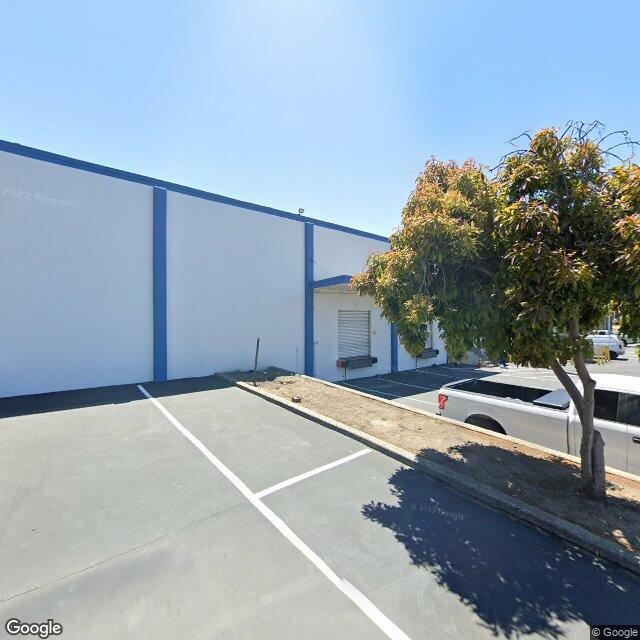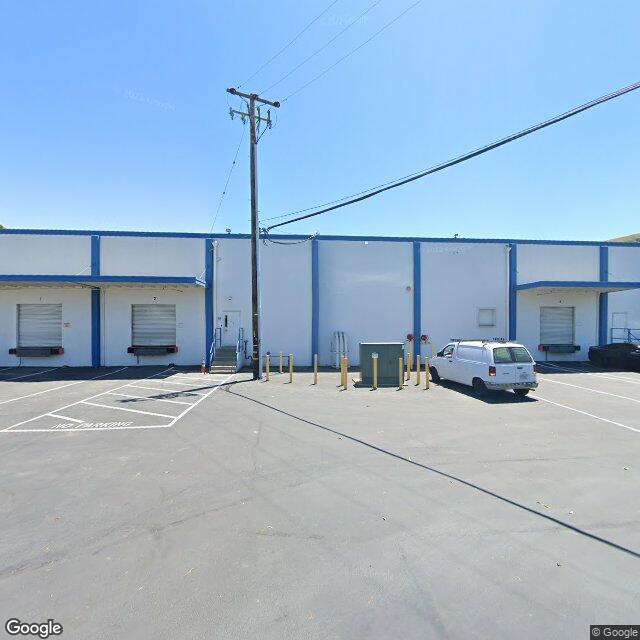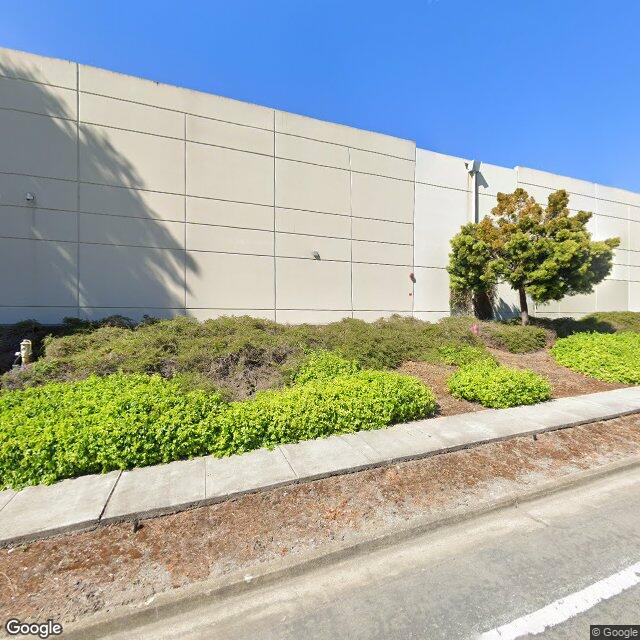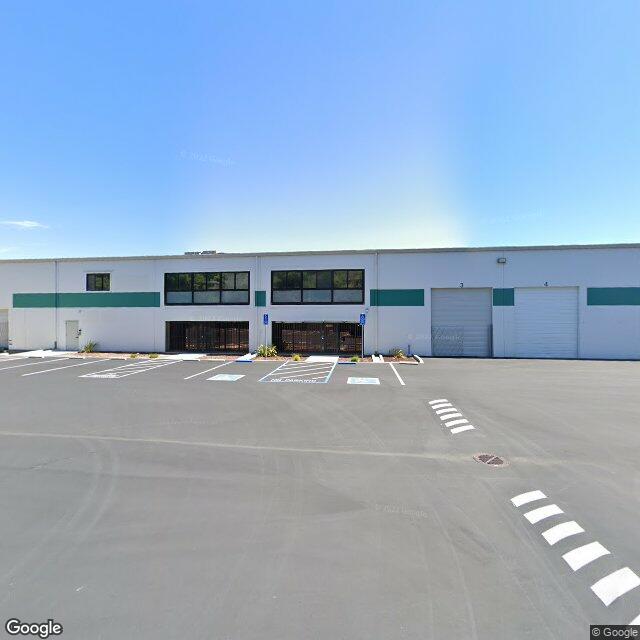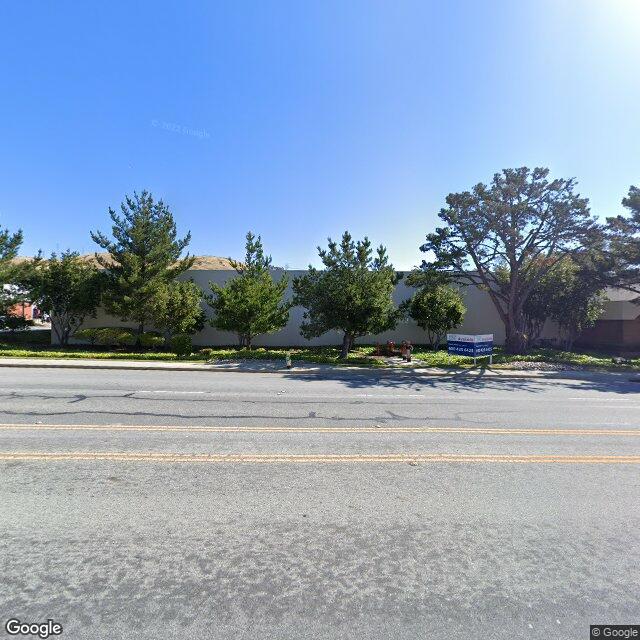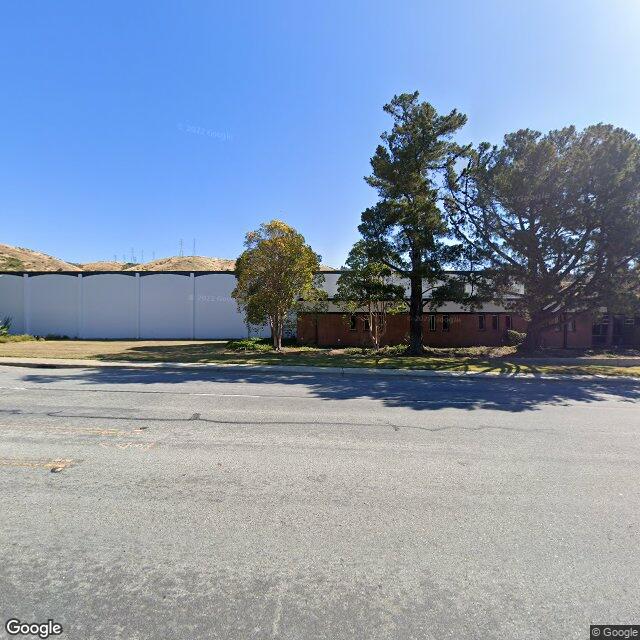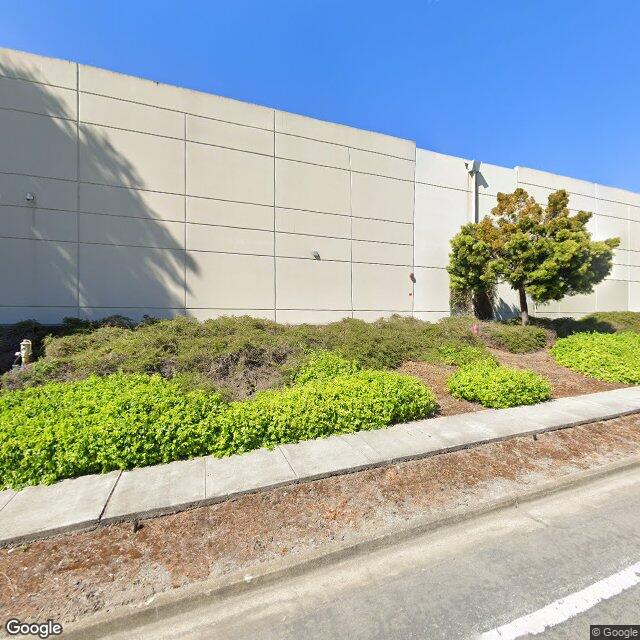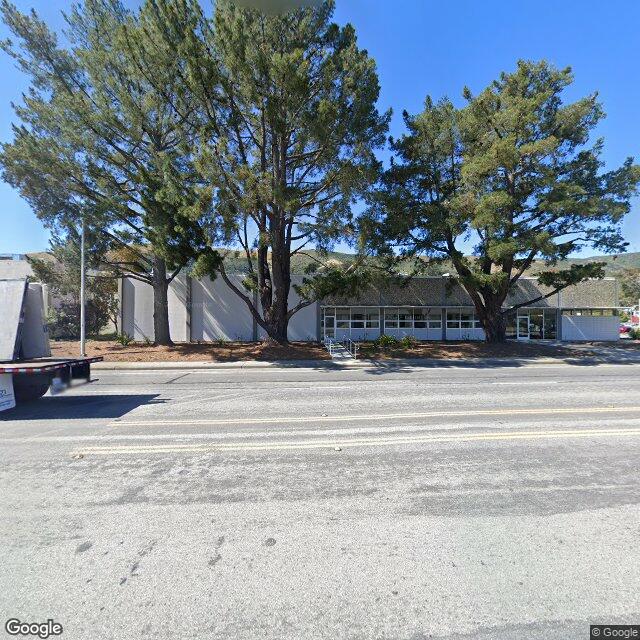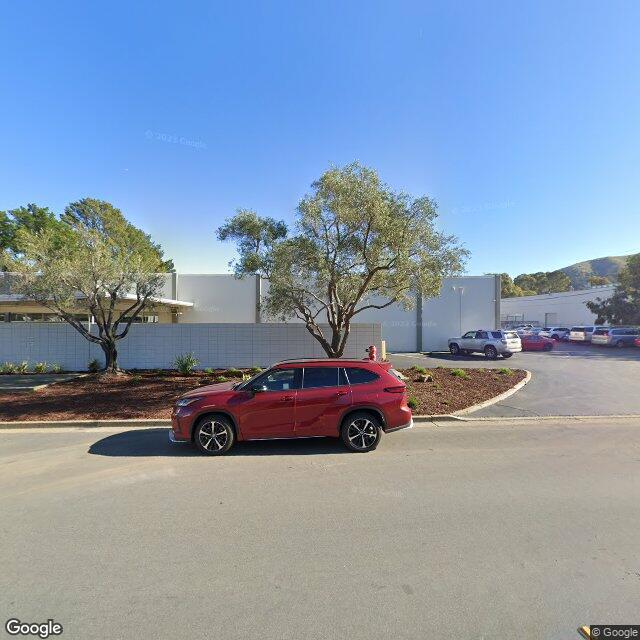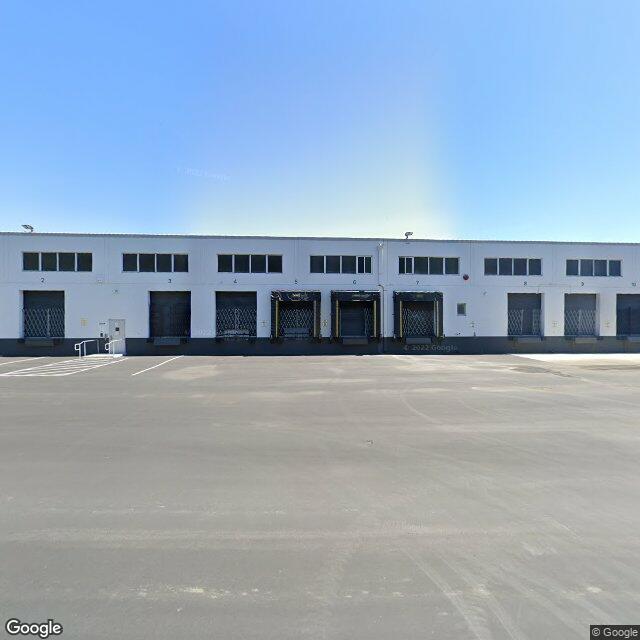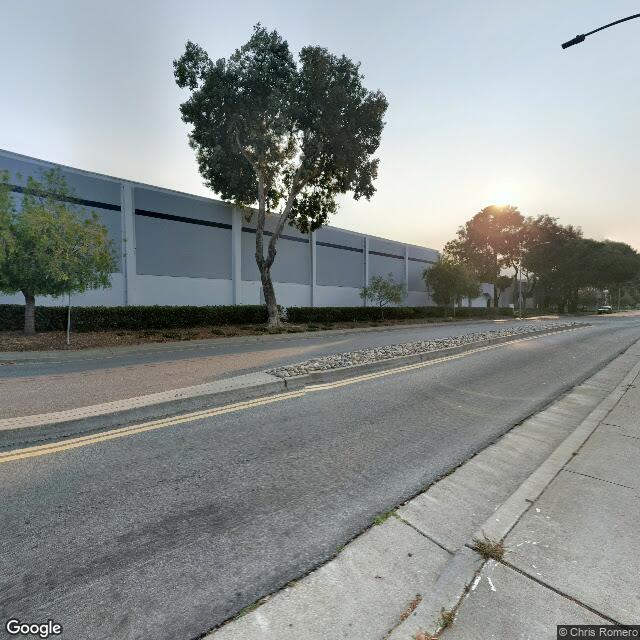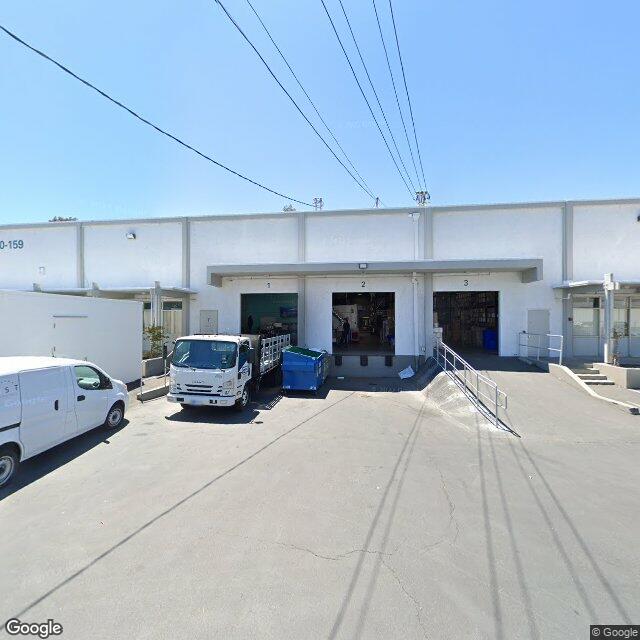

Warehouse Spaces for Lease Brisbane CA

Latest Warehouse Space Listings in Brisbane CA

Show Filter
View Map
  • 6,874 square feet
  • $3.00/SF/Month
  • $20,622/mo
  • $36.00/SF/Year
  • $247,464/yr
  • 345,270 square feet
  • $0.94/SF/Month
  • $325,129/mo
  • $11.28/SF/Year
  • $3,901,551/yr
  • 77,000 square feet
  • $1.00/SF/Month
  • $77,000/mo
  • $12.00/SF/Year
  • $924,000/yr
  • 38,000 square feet
  • $1.50/SF/Month
  • $57,000/mo
  • $18.00/SF/Year
  • $684,000/yr
  • 55,000 square feet
  • $1.50/SF/Month
  • $82,500/mo
  • $18.00/SF/Year
  • $990,000/yr
  • 15,026 square feet
  • $1.65/SF/Month
  • $24,793/mo
  • $19.80/SF/Year
  • $297,516/yr
  • 22,708 square feet
  • $1.60/SF/Month
  • $36,333/mo
  • $19.20/SF/Year
  • $435,996/yr
  • 15,026 square feet
  • $1.65/SF/Month
  • $24,792/mo
  • $19.80/SF/Year
  • $297,504/yr
  • 49,435 square feet
  • $1.50/SF/Month
  • $74,152/mo
  • $18.00/SF/Year
  • $889,824/yr
  • 15,538 square feet
  • $1.33/SF/Month
  • $20,665/mo
  • $15.96/SF/Year
  • $247,980/yr
  • 22,708 square feet
  • $1.67/SF/Month
  • $37,922/mo
  • $20.04/SF/Year
  • $455,064/yr

Contact an industrial expert.

We can answer questions and send you a short list of options and schedule tours.

    Brisbane Market Info

    Brisbane currently features 2 warehouses for lease with rates from 1.05 per sq ft and sizes ranging from 12,000 sqft to 77,000 sqft. Browse each listing in Brisbane and let us know which properties you would like to learn more about. Our local agent will send you a detailed report on the building and include other warehouses in the market that meet your business needs. We’ll then schedule property tours and once a site is selected, negotiate a competitive commercial lease or sale agreement on your behalf.

    Find industrial space that meets your needs:

    • Distribution
    • Flex
    • Manufacturing
    • R&D
    • Refrigerated / Cold Storage
    • Street Retail
    • Storage
    • Truck Terminal
    • Warehouse
    • Yard

    Our warehouse search services are provided at no charge to you. Contact us today and we look forward to finding the right space for you.

    Frequently Asked Questions

    1. What does NNN mean in a warehouse lease, and what does it include?

    A Triple Net Lease (NNN) is a type of commercial real estate lease where the tenant is responsible for paying all operating expenses associated with the property, in addition to the base rent. These expenses typically include:

    • Property Taxes: The tenant pays their share of the property taxes based on the leased space.
    • Building Insurance: The tenant pays their share of the property taxes based on the leased space.
    • Maintenance & Repairs: The tenant is responsible for maintenance and repairs of the leased space and common areas.
    • Common Area Maintenance (CAM) Fees: The tenant covers the costs of maintaining common areas, such as parking lots, landscaping, and shared facilities.

    2. What additional costs are associated with an NNN lease?

    NNN is the cost exclusively for rent. The operating costs associated with the space, which are an additional cost on top of the NNN, are referred to by landlords as NETs. These include:

    • Property Taxes
    • Building Insurance
    • Maintenance & Repairs
    • Common Area Maintenance (CAM) Fees

    These costs are paid to the landlord on a monthly basis on top of the NNN rent. So, not only do you pay the NNN rent, but you also pay the operating costs associated with the space.

    3. What utilities are tenants responsible for?

    In addition to the NETs, tenants pay separately for utilities such as:

    • Electric
    • Gas
    • Internet

    4. When you lease a warehouse, what are you responsible to maintain and repair?

    As a tenant, you are typically responsible for:

    • Interior Maintenance: Upkeep of the interior spaces such as office areas, restrooms, and storage spaces.
    • Repairs to Tenant Improvements: Any modifications or improvements made by you to the leased space.
    • Regular Cleaning: Ensuring the leased space is clean and orderly.
    • Minor Repairs: Fixing minor issues like changing light bulbs, maintaining HVAC filters, etc.
    • HVAC Maintenance and Repairs: You are typically responsible for maintaining and repairing the HVAC system.
    • Utilities: Maintenance of utility connections and payment for services like electricity, water, and internet.

    5. What is the landlord responsible for maintaining and repairing?

    The landlord is generally responsible for:

    • Structural Repairs: Major repairs to the building’s structure, such as the roof, foundation, and exterior walls.
    • Common Area Maintenance: Upkeep of shared areas like parking lots, landscaping, and common restrooms.
    • Major Mechanical Systems: Maintenance and repair of major systems like HVAC, plumbing, and electrical systems.
    • Building Insurance: Providing insurance coverage for the building itself.
    • Code Compliance: Ensuring the building complies with local building codes and safety regulations.

    6. When you lease a warehouse, what are you responsible to maintain and repair?

    As a tenant, you are typically responsible for:

    • Interior Maintenance: Upkeep of the interior spaces such as office areas, restrooms, and storage spaces.
    • Repairs to Tenant Improvements: Any modifications or improvements made by you to the leased space.
    • Regular Cleaning: Ensuring the leased space is clean and orderly.
    • Minor Repairs: Fixing minor issues like changing light bulbs, maintaining HVAC filters, etc.
    • HVAC Maintenance and Repairs: You are typically responsible for maintaining and repairing the HVAC system.
    • Utilities: Maintenance of utility connections and payment for services like electricity, water, and internet.

    7. What is the landlord responsible for maintaining and repairing?

    The landlord is generally responsible for:

    • Structural Repairs: Major repairs to the building’s structure, such as the roof, foundation, and exterior walls.
    • Common Area Maintenance: Upkeep of shared areas like parking lots, landscaping, and common restrooms.
    • Major Mechanical Systems: Maintenance and repair of major systems like HVAC, plumbing, and electrical systems.
    • Building Insurance: Providing insurance coverage for the building itself.
    • Code Compliance: Ensuring the building complies with local building codes and safety regulations.

    8. When you lease a warehouse space, who is responsible for what insurance costs?

    Tenant Responsibilities:

    • General Liability Insurance: The tenant typically covers general liability insurance to protect against claims of bodily injury or property damage that occur within the leased space.
    • Property Insurance: The tenant is usually responsible for insuring their own personal property and inventory within the warehouse.
    • Business Interruption Insurance: The tenant may also be responsible for obtaining business interruption insurance to cover lost income in the event of a disaster or unexpected event that disrupts operations.
    • Workers’ Compensation Insurance (California): In California, the tenant is responsible for providing workers’ compensation insurance for their employees.
    • Automotive Insurance: The tenant may also be required to show automotive insurance for company vehicles.

    9. Can tenants change the space, and is it required to ask the landlord first prior to making changes to the space?

    Landlord Responsibilities:

    • Building Insurance: The landlord typically provides insurance coverage for the physical structure of the building, including the roof, walls, and foundation.
    • Liability Insurance for Common Areas: The landlord is responsible for insuring common areas and protecting against claims arising from accidents or injuries that occur in shared spaces like parking lots, lobbies, and hallways.
    • Tenant Changes: Tenants can make changes to the leased space, but it is typically required to ask for the landlord’s approval first.
    • Landlord Approval: Major modifications, such as structural changes, installation of fixtures, or significant alterations, usually need written consent from the landlord.
    • Minor Changes: Some minor changes, like painting walls or minor cosmetic adjustments, may be permitted without approval, but it’s best to check the lease agreement for specific guidelines.
    • Restoration: Tenants may be required to restore the space to its original condition at the end of the lease term unless otherwise agreed upon with the landlord.